What to Look for in a Beacon top Paving Contractor for Durable Driveways
Paving Solutions: Upgrade Your Property With Skilled Paving Services
Professional paving services deliver major advantages for real estate enhancement. They not only enhance aesthetics but also improve functionality. Choosing the right materials, such as asphalt or interlocking pavers, can ensure durability and appearance. The installation process is essential for achieving lasting results. Yet, many homeowners overlook essential maintenance practices that can extend the life of their investment. Understanding these elements is key for making informed decisions about outdoor spaces. What comes next may surprise you.
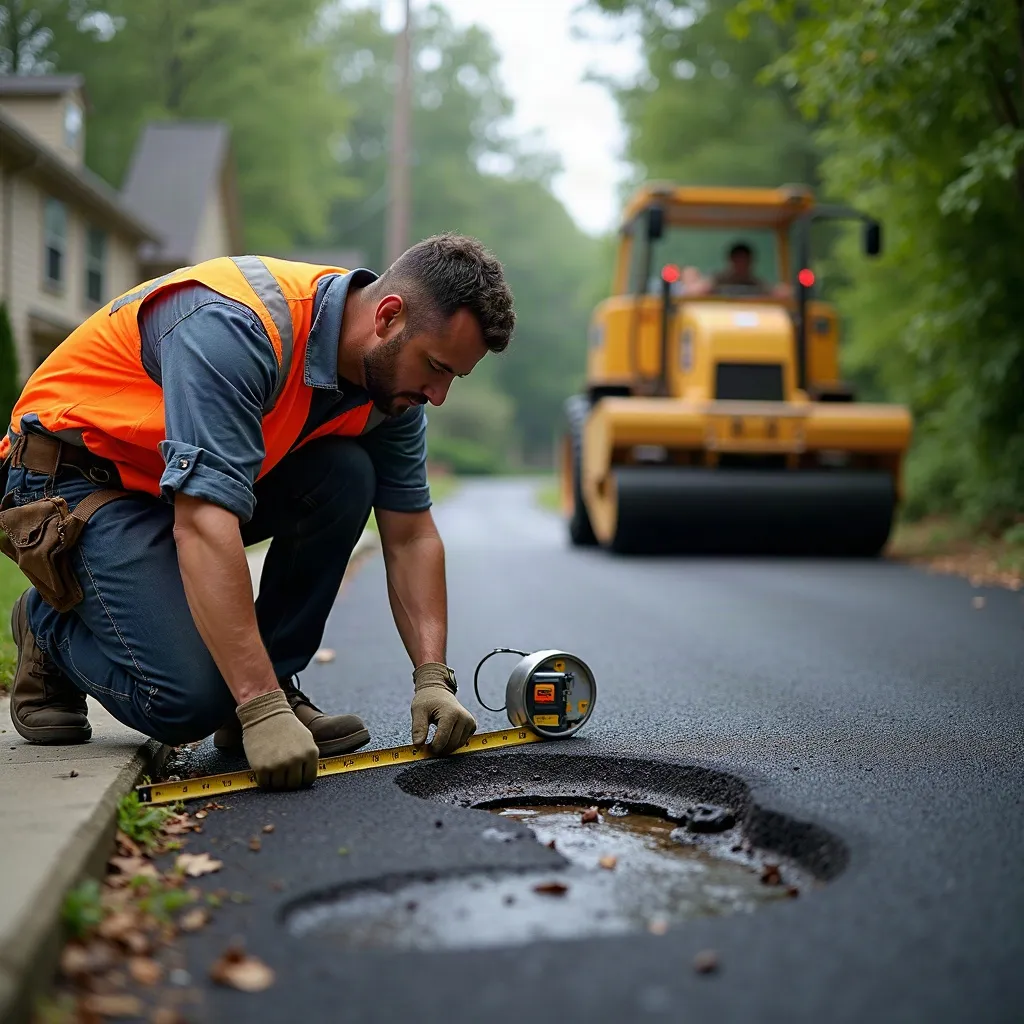
Professional Asphalt Solutions Transform Your Home
Professional pavement services upgrade outdoor spaces, improving both practicality and visual appeal. By utilizing expert methods and modern equipment, these services guarantee the precise preparation and setup of different paving surfaces. This careful attention results in durable, lasting outcomes that resist wear and tear while preserving visual appeal.
Moreover, professional pavement increases property value, forming inviting walkways, driveways, and outdoor areas that interest potential buyers. A finished paved area improves safety by reducing obstacles like uneven ground and heavy mud, promoting a more rewarding outdoor experience.
Furthermore, skilled specialists can present personalized designs suited to particular requirements, assuring that every project reflects the property's special appeal.
Select the Optimal Paving Materials for Your Project
Which strategies help homeowners determine the best paving materials for their work? Getting the material right is required for aesthetics and how it performs.
First, real estate holders should consider the exact function of the paved surface. For driveways, resilient materials like asphalt or concrete are often chosen due to their strength and longevity. In contrast, for patios or walkways, alternatives including pavers or bricks can deliver decorative charm and adaptability.
Next, atmospheric conditions acts as a important role. Regions with heavy rainfall may take advantage from water-permeable substances that make possible for more effective drainage, reducing the exposure of deluge.
Also, maintenance requirements should be reviewed; some materials require more care than others.
Finally, financial limitations will influence the choice. While high-quality materials may require a greater initial investment, they often lead to long-term savings through durability and reduced repair costs.
Therefore, comprehensive assessment of these variables will empower property owners to make informed choices.
Asphalt Paving Strengths
Asphalt surfacing emerges as a leading choice for homeowners seeking durable and cost-effective alternatives for their driveways and walkways. One of its primary advantages is its durability; asphalt can endure heavy traffic and harsh weather conditions, making it ideal for residential use.
In addition, asphalt is cost-conscious in relation to other paving materials, facilitating homeowners to achieve a first-rate appearance without excessive spending. The installation process is also expedient, regularly finished within a day, minimizing disruption to daily life.
In addition, asphalt is uncomplicated to upkeep, calling for just periodic protective coatings to prolong its lifespan. These advantages make asphalt paving a practical and intelligent decision for boosting property aesthetics and functionality.
Interlocking Paver Advantages
Property owners assessing paving options discover that interlocking pavers give distinct advantages that increase both aesthetics and utility.
These adaptable pavers come in various shapes, colors, and textures, facilitating innovative design opportunities that can match any property style. Additionally, interlocking pavers provide outstanding durability, withstanding cracking and shifting, which is particularly advantageous in regions with fluctuating temperatures.
In addition, their specialized form fosters rapid water movement, reducing the risk for overflow and terrain damage. This water-absorbing quality also bolsters green practices by letting rainwater to replenish groundwater supplies.
In the end, the straightforward installation and maintenance makes interlocking pavers a practical choice, allowing homeowners to appreciate their stunning appearance without excessive upkeep.
First Site Examination
Which components impact the preliminary site evaluation for paving installation? Several key considerations are involved during this critical stage. First, the land’s topography is examined to spot any slopes or drainage issues that might influence the paving process. Next, the current soil conditions are reviewed, since different soil types influence stability and durability. Additionally, site accessibility is considered to figure out how equipment and materials will be delivered. Local regulations and zoning laws are checked to guarantee compliance. Lastly, existing structures and vegetation are assessed to account for any necessary removal or protection. This comprehensive evaluation lays the groundwork for a successful paving project, guaranteeing that all possible challenges are handled from the beginning.
Setup Processes Illustrated
After a extensive site assessment has been concluded, the paving installation process can commence.
The initial stage comprises site preparation, where any existing materials are stripped away and the ground is smoothed. Beyond this, a ground layer is fitted, typically constituted by gravel or crushed stone, which creates durability and moisture control.
Following this, the selected wearing course—such as asphalt or concrete—is placed. This phase requires thorough attention to guarantee a flat surface and proper alignment.
Once the pavement is in place, it undergoes compaction to improve durability. Finally, the curing process occurs, allowing the material to set properly.
Throughout the undertaking, effective dialogue with the property owner is required to key information tackle any issues and assure satisfaction with the final outcome.
Surface Maintenance Tips for Sustained Condition
Even though asphalt areas are created for durability, regular maintenance is important to ensure their longevity. Periodic evaluations must be executed to detect damage, deterioration, or surface degradation. Swift repairs can prevent continued deterioration and extend the lifespan of the asphalt.
Additionally, maintaining the surface clear is essential; debris, leaves, and dirt can hold moisture, causing deterioration. Regular sweeping and periodic power washing assist maintain a pristine appearance and functionality.
Applying sealant every few years can defend the surface from environmental wear and sun damage, while also enhancing its aesthetic appeal.
Ultimately, resolving drainage issues is significant. Quality drainage systems prevent water accumulation, which can erode the paving material over time.
How to Find a Reliable Paving Contractor
Finding a trustworthy paving contractor is an important step for property owners seeking to put in or upgrade their paving surfaces. To begin, individuals should seek recommendations from friends, relatives, or nearby companies that have recently undertaken paving projects. Online ratings and testimonials can also offer insights into a contractor's reputation.
Once potential professionals are identified, it is important to validate their credentials, including licenses and insurance. A professional contractor should submit a detailed written bid that details the scope of work, materials, and timeline.
Furthermore, requesting testimonials from past clients can assist in gauging the contractor's dependability and workmanship quality. It's also advisable to ask regarding guarantees on materials and workmanship.
Ultimately, facilitating transparent conversation and openness during initial consultations can develop a reliable relationship, producing a successful paving project that achieves expectations.
Questions That Are Regularly Asked
What is the Duration of a Typical Paving Project to Finish?
A typical paving job generally requires 1-3 days to complete, based on variables such as the size of the project, complexity, weather conditions, and preparation requirements. Effective planning can help streamline the process efficiently.
What Permits Are Required for Paving Setup?
Generally, pavement installation demands permits including regional building permits, zoning approvals, and environmental evaluations. Regulations differ depending on region, so consulting community officials assures compliance with mandatory legal obligations for the work.
Can Paving Be Completed in Winter or Wet Weather?
Paving can be demanding during winter or rainy seasons due to thermal fluctuations and dampness. Cold weather can disrupt proper curing, while excessive rain may cause finishing defects, leading to potential long-term damage. Careful planning is indispensable.
What Options Should I Apply if My Asphalt Develops Cracks?
When pavement develops cracks, the first step is to assess the damage. Following that, clean the area thoroughly, seal the cracks with appropriate filler, and think about expert services to avoid additional damage and preserve safety.
How can I confirm if my asphalt professional holds a license?
To establish whether a paving contractor is appropriately licensed, you need to verify their credentials through local licensing boards, require a copy of their license, and check for insurance coverage, ensuring compliance with industry regulations and safety standards.